Freelance side hustles
Freelance side hustles for experienced professionals.
Get paid for what you already know.
Forget delivery apps and paid surveys. If you have 10+ years of experience, the best side hustle is freelancing the skill you already use every day. Here are nine freelance side hustles that fit experienced people, how to price them, and how to land your first client alongside your job.
Free · No card needed · Results in a few minutes
Why freelancing
Why freelancing is the best side hustle when you have experience.
Most side hustle lists are written for people with time and no particular skill: driving, delivering, selling things online. If you've spent 10 or 20 years becoming good at something, those options pay you as if none of that experience existed.
A freelancing side hustle works the other way round. Clients pay for the result your experience produces, so your hourly value is often far higher than any gig app can offer. And unlike a gig, it can grow: one client becomes three, a freelance service becomes a consulting practice, and a side hustle becomes a business of your own.
Two kinds of side hustle
Freelance side hustles vs. gig side hustles.
Gig side hustles
- Delivery, driving, surveys, small online tasks
- Paid the same as anyone else, whatever your experience
- Income stops the moment you stop
- Rarely grows into anything bigger
Freelance side hustles
- Built on a skill from your career
- Priced on the value of the result, not the hour
- Clients come back and refer others
- Can grow into consulting or your own business
Your options
9 freelance side hustles for experienced professionals.
Grouped by the skills most mid-career professionals already have. Pick the one closest to the work you've done the longest.
1. Freelance consulting
Solve one specific problem you know well for companies that don't have that expertise in-house: sales process, operations, supply chain, IT, compliance.
- Suits managers and specialists with 10+ years in one field
- First clients: smaller companies in your industry
2. Writing and editing
Proposals, reports, case studies, technical documents, LinkedIn posts. Companies need people who understand the subject, not just the words.
- Suits anyone who writes well about their field
- First clients: agencies and companies in your industry
3. Project management
Run a project, a launch or a migration for a team that doesn't have the capacity or experience to do it.
- Suits project managers, team leads and operations people
- First clients: startups and growing small businesses
4. Finance and bookkeeping support
Bookkeeping, budgets, financial models and reporting for small businesses, within what your qualifications allow.
- Suits accountants, controllers and finance analysts
- First clients: owners of small local businesses
5. Sales and marketing support
Sales playbooks, outreach sequences, copywriting, sales training: help small companies sell the way bigger ones do.
- Suits salespeople, account managers and marketers
- First clients: founders who sell everything themselves
6. Data, IT and automation
Dashboards, spreadsheets that work, small automations, IT setup and support for teams without an IT department.
- Suits analysts, engineers and IT professionals
- First clients: small offices and solo business owners
7. Recruiting and career help
Freelance recruiting for small companies, or CV, LinkedIn and interview help for professionals changing jobs.
- Suits recruiters, HR people and hiring managers
- First clients: your own network of managers
8. Training and workshops
Teach a team the skill you know best in a half-day workshop or a short online training.
- Suits anyone who has trained or onboarded colleagues
- First clients: companies you've worked with before
9. Coaching and mentoring
One-to-one help for people a few steps behind you: new managers, career changers, people in the role you used to have.
- Suits experienced people who enjoy developing others
- First clients: former colleagues and their contacts
Not sure which skill to freelance?
The free Reset Profile looks at your experience and shows which skills people would pay for, who needs them, and a first offer you could test.
Pricing
How to price your freelance work without underselling it.
The most common mistake experienced people make is dividing their salary by their working hours and charging that. Your salary includes paid holidays, benefits, equipment and steady work. Freelancing includes none of them.
- A rule of thumb for hourly work: many freelancers start around their old annual salary divided by 1,000. A $60,000 salary becomes roughly $60 an hour. Treat it as a starting point, not a rule.
- Better still, price the result: a fixed price for a defined outcome ("a sales playbook for your team", "your monthly reporting set up") rewards your experience instead of your hours.
- Start a little lower, then raise: a founding price for your first two or three clients, in exchange for a testimonial, then raise it with every new client.
While working full time
Running a freelance side hustle alongside a full-time job.
Check your contract first
Look for clauses on outside work, conflicts of interest and non-competes. Never work for your employer's clients or competitors on the side.
Protect fixed time blocks
Two evenings and one weekend morning a week is enough for one client. Choose projects with flexible deadlines.
Keep it legal and simple
Check how freelance income is registered and taxed where you live, and keep a separate record of income and costs from day one.
Step by step
How to land your first freelance client in 30 days.
Pick one skill
The one people already ask you for help with. The free career assessment helps you choose.
Package it as one offer
A clear result, a clear price and a clear timeframe. "I'll build your sales playbook in two weeks" beats "I do consulting".
Tell 20 people
Former colleagues, past clients, LinkedIn contacts. Not a pitch: tell them what you now offer and who it's for.
Deliver your first project
At a founding price, in exchange for a testimonial. Over-deliver on this one; it becomes your proof.
Raise your price and repeat
Use the testimonial, ask for referrals, and raise your price with each new client.
Start with step 1 today
Find out which of your skills people would pay for. Free, in a few minutes.
What comes next
From freelance side hustle to a business of your own.
For many experienced professionals, a freelancing side hustle is the first step of a bigger change. Once clients pay you for what you know, you can turn the same skill into consulting packages, a course or a digital product that sells without you trading every hour.
If that's where you're heading, read our guides to a career change at 40 and a career change at 50, or see how The 40s Reset App helps you shape your offer, sales page and first content with AI.
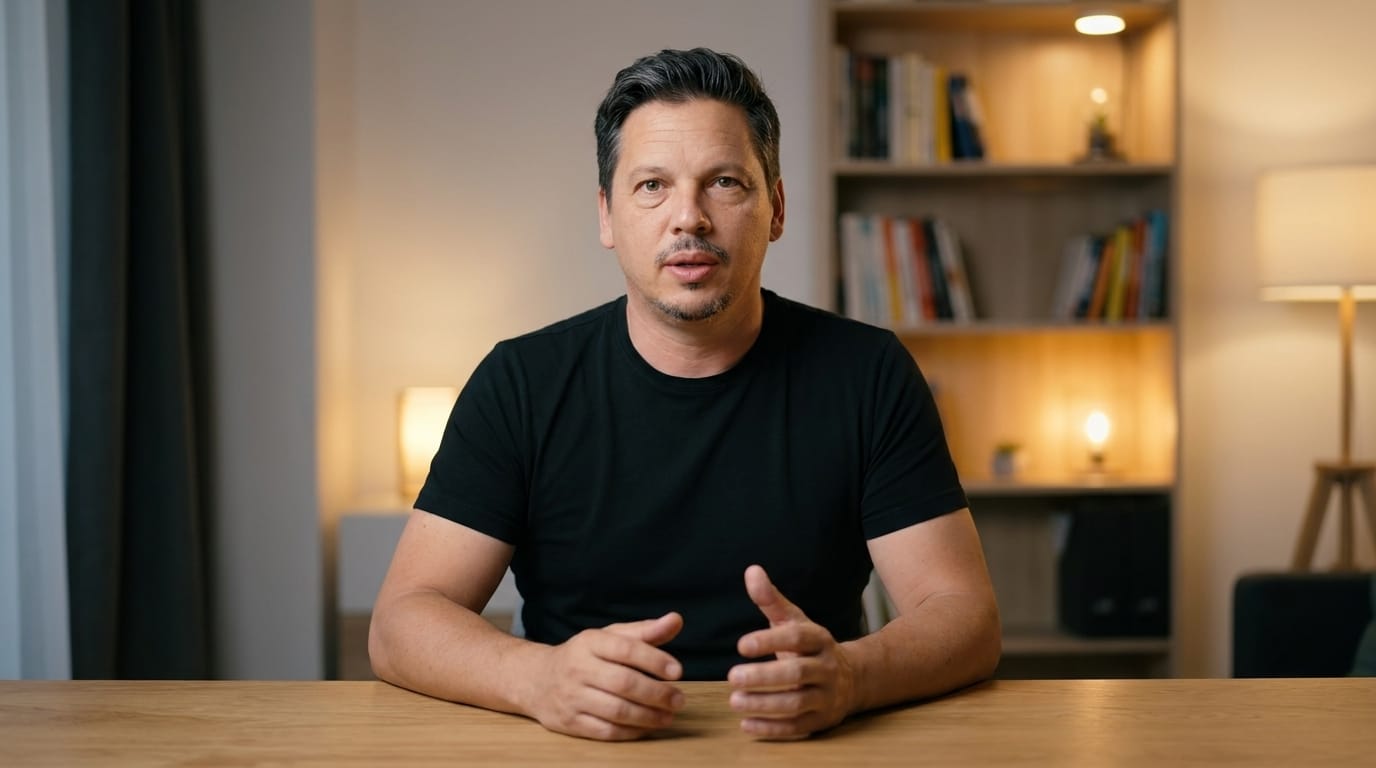
Silvio Paiva · Founder, The 40s Reset
Who wrote this
Written by someone who sold expertise for 20+ years.
I spent over two decades in enterprise B2B tech sales and consulting, helping companies buy expertise they didn't have in-house.
Now I help experienced professionals sell their own expertise, starting with one skill and one client, often alongside their job.
Free career assessment
Your experience is worth more than a gig app pays.
Find out which of your skills people would pay for, who needs them, and what your first freelance offer could be.
Free · No card needed · Results in a few minutes
Questions
Freelance side hustles: common questions.
What are the best freelance side hustles?
The ones built on a skill you already have. For experienced professionals that usually means consulting, writing, project management, finance support, sales and marketing support, data and IT work, recruiting, training or coaching.
Can I freelance while working full time?
Usually yes, but check your employment contract for rules on outside work and conflicts of interest first, and never work for your employer's clients or competitors.
How much can I earn from a freelance side hustle?
It depends on your skill and how you price it. Many experienced freelancers start near their old annual salary divided by 1,000 per hour, and earn more by pricing fixed results instead of hours.
Where do I find my first freelance clients?
In your existing network: former colleagues, past clients, suppliers and LinkedIn contacts. Freelance platforms can work too, but people who already know your work trust you faster.
Do I need a website to start freelancing?
No. A clear offer and an updated LinkedIn profile are enough for your first clients. A simple website helps later, once you know exactly what you sell.
Is a freelancing side hustle better than an online side hustle?
Most freelancing is online. The difference is what you sell: your experience, rather than generic tasks. That's why it pays more and can grow into a real business.