Personal branding
How to build a personal brand
after 20 years of experience.
Inside a company, the logo does the selling. Outside it, your name does. A personal brand is how the right people know what you're good at, and think of you when they need it. Here's a simple personal branding strategy for experienced professionals, with LinkedIn tips and examples by profession.
Free · No card needed · Results in a few minutes
The basics
What a personal brand is, and why you need one now.
Your personal brand is what people know you for, and who thinks of you when they have the problem you solve. You already have one. After 20 years, colleagues, clients and suppliers have an opinion of your work. The question is whether anyone outside your company knows it.
That matters the moment you think about consulting, freelancing, coaching or any business of your own. Without a company name behind you, clients decide based on what they can see: your LinkedIn profile, your content, your website and what others say about you. Professional branding simply makes that visible.
The good news: experienced professionals have the hardest part already. You don't need to invent expertise. You need to show it.
Start here
Your personal brand in one sentence.
Before profiles, posts or a website, write the sentence everything else is built on:
"I help [who] achieve [what result] using [your experience]."
For example: "I help first-time sales managers build teams that hit target, using 20 years of leading enterprise sales." Specific beats impressive.
Personal branding strategy
How to build your personal brand in 5 steps.
Find what you're known for
The skill people already come to you for. The free career assessment shows which of your skills people would pay for.
Choose who you serve
One audience you understand well. Trying to appeal to everyone makes your brand forgettable.
Write your sentence
Use the formula above, then put it in your LinkedIn headline, your website and your introductions.
Pick one main platform
For most experienced professionals, that's LinkedIn. Add YouTube or a blog later, once the habit is built.
Show proof, consistently
Stories, lessons, results and client words, every week. Consistency builds a brand more than brilliance does.
Start with step 1 today
Find out what you could be known for. Free, in a few minutes.
Personal branding on LinkedIn
How to build your personal brand on LinkedIn.
LinkedIn is where your future clients, partners and referrers already spend time. Get two things right: your profile and your content.
Your profile
- Headline: your one sentence, not just your job title
- About section: who you help, how, and the experience behind it, written in the first person
- Featured section: a free resource, your best post, or a link to your offer
- Banner: one line saying what you do, plus where to learn more
- Photo: recent, friendly, face clearly visible
Your content
- Stories: moments from your career that taught you something
- Opinions: what you believe about your field that others get wrong
- Lessons: practical advice your audience can use today
- Rhythm: two or three posts a week beats one burst a month
- Conversations: thoughtful comments on others' posts and personal messages, never copy-paste pitches
A simple way to turn attention into leads: offer a free resource in your post and invite people to comment a keyword to receive it. You start real conversations with people who raised their hand, instead of chasing strangers.
Your personal brand website
Do you need a personal brand website?
Not on day one. A strong LinkedIn profile is enough for your first clients. But a simple website soon becomes the home of your brand: a place you control, that Google can find, and where people can buy from you. It only needs six things:
- Your one-sentence positioning, right at the top
- Your story: why you do this, and the experience behind it
- Your offer: what you sell, to whom, and how to start
- Proof: results, testimonials and examples of your work
- A free resource to collect email addresses
- A simple way to contact you or book a call
All-in-one platforms such as Systeme.io let you build this without technical skills, together with your emails and checkout.
Personal branding examples
Personal branding examples by profession.
How six experienced professionals could position themselves: a one-sentence brand, a LinkedIn headline, and a content idea.
Sales leader
Brand: "I help growing software companies build a sales process that works without the founder."
Headline: Sales strategy for scale-ups · 20 years in enterprise sales
Content idea: the three deals that taught me the most, and why.
Finance manager
Brand: "I help small business owners understand their numbers and stop running out of cash."
Headline: Making finance simple for owners · 18 years in corporate finance
Content idea: one report every owner should read monthly.
Teacher
Brand: "I help parents support their children's learning at home, using 15 years in the classroom."
Headline: Learning support for families · Former teacher
Content idea: what I wish every parent knew before parent-teacher meetings. More ideas in side hustles for teachers.
Nurse
Brand: "I help busy professionals build healthier habits, using 20 years of clinical nursing."
Headline: Health coaching · RN with 20 years of clinical experience
Content idea: the habits I saw make the biggest difference for patients. More in side hustles for nurses.
Engineer or IT professional
Brand: "I help small companies choose and set up the right systems, without wasting a year."
Headline: Practical IT for small businesses · 22 years in enterprise IT
Content idea: the five tech decisions small companies regret most.
HR or recruiting professional
Brand: "I help professionals over 40 land their next role or move into independent work."
Headline: Career strategy for experienced professionals · Former HR director
Content idea: what hiring managers really think when they read your CV.
Avoid these
Personal branding mistakes experienced professionals make.
Speaking to everyone
A brand for everybody is remembered by nobody. Choose one audience.
Copying influencers
Your audience trusts experience, not hype. Sound like yourself.
Hiding your years
Your experience is your advantage. Lead with it instead of apologizing for it.
No next step
Visibility without an offer or a free resource leads nowhere. Always give people a way to continue.
Giving up too early
A brand builds over months, not weeks. Judge it after 90 days of steady posting.
Waiting to be ready
Your first posts won't be your best. Publish anyway; clarity comes from doing.
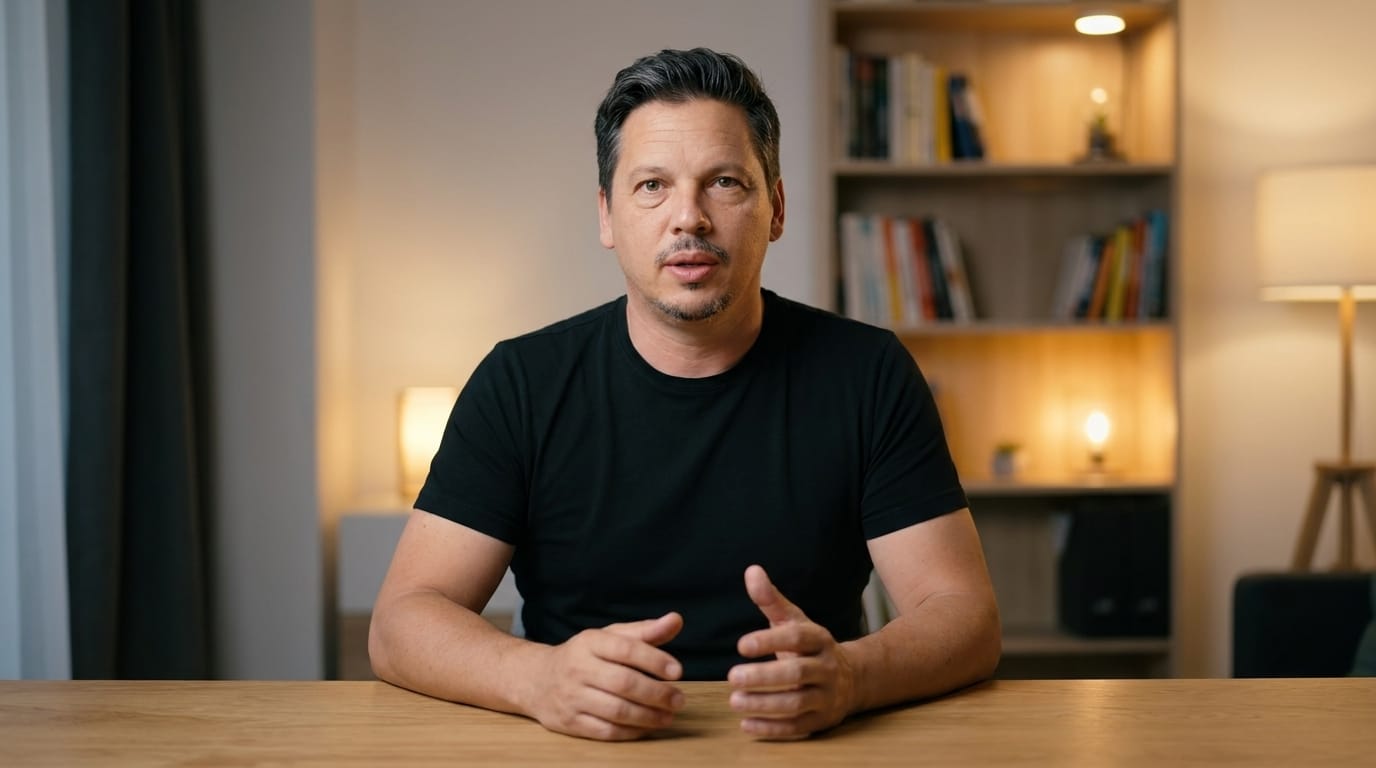
Silvio Paiva · Founder, The 40s Reset
Who wrote this
Written by someone building his brand after 20 years.
I spent over two decades in enterprise B2B tech sales and consulting, where the company name opened every door. When I started building my own business, I had to learn to let my own name do that.
Today I build my personal brand in public, on LinkedIn and on my YouTube channel, and I help experienced professionals do the same.
Free career assessment
Your experience is the brand. Find out how to show it.
Find out which of your skills people would pay for, who needs them, and what your personal brand could be built on.
Free · No card needed · Results in a few minutes
Questions
Personal branding: common questions.
What is a personal brand?
Your personal brand is what people know you for, and who thinks of you when they need what you offer. It's built from your expertise, how you communicate it, and what others say about your work.
Why do experienced professionals need a personal brand?
Because outside a company, your name has to do the selling. A clear personal brand helps you win clients, partners and opportunities when you consult, freelance or start a business.
How do I build a personal brand on LinkedIn?
Turn your headline into a one-sentence description of who you help and how, rewrite your About section around that, add a free resource to your Featured section, and post stories, opinions and practical lessons two or three times a week.
How long does it take to build a personal brand?
Expect to see first results, like new connections, conversations and inquiries, after about three months of consistent posting. A strong brand keeps growing over years.
Do I need a personal brand website?
Not to start. LinkedIn is enough for your first clients. A simple website becomes valuable once you have an offer, because it's a place you control and that Google can find.
Is it too late to build a personal brand after 40 or 50?
No. Your experience makes it easier, not harder: you have stories, results and opinions that younger people don't. Read about a career change at 40 or a career change at 50.